Innovative Disposal Ideas for Worn-Out Pots and Pans: The Ultimate UK Guide
If you've opened the cupboard and a wobble of scratched frying pans and dented saucepans nearly launched onto your toes, you're not alone. Cookware works hard, then one day it's burnt-on, bent, flaking, or simply replaced. What next? Bin it? Not so fast. There are smarter, greener, more cost-effective ways to say goodbye. This guide lays out innovative disposal ideas for worn-out pots and pans that go way beyond the classic trip to the tip--think upcycling, recommerce, community swaps, specialist recycling, even refurbs. And yes, we'll make it simple.
In our experience, the best outcomes happen when you match the type of pan (stainless, cast iron, aluminium, copper, non-stick, glass-lidded) to the right pathway. That might be a UK household waste recycling centre, a charity donation, a metal merchant, or a surprisingly clever DIY transformation. You'll see why in a moment.
Truth be told, cookware is a brilliant candidate for reuse and recycling. Metals can be melted and made new; cast iron can often be brought back to life; even tired non-stick pieces have solutions. Ever tried clearing a cupboard and found yourself keeping everything "just in case"? Let's fix that--without the guilt, and with a bit of fun.
Table of Contents
- Why This Topic Matters
- Key Benefits
- Step-by-Step Guidance
- Expert Tips
- Common Mistakes to Avoid
- Case Study or Real-World Example
- Tools, Resources & Recommendations
- Law, Compliance or Industry Standards (UK-focused)
- Checklist
- Conclusion with CTA
- FAQ
Why This Topic Matters
Innovative disposal ideas for worn-out pots and pans aren't just trendy--they're practical, planet-friendly, and often cheaper than you think. Metals like aluminium, stainless steel, and iron are endlessly recyclable. According to UK sustainability guidance (including WRAP and industry bodies), recycling aluminium can save up to 95% of the energy needed to produce it from raw material. That's huge. Steel and copper also carry strong environmental wins when recycled.
Meanwhile, the UK's Waste Hierarchy prioritises prevention, then reuse, then recycling, before recovery and disposal. Chucking an old pan in the general waste is the last rung of the ladder--the bottom one. And let's face it, it's a bit of a waste when better options exist.
There's also the safety angle. Scratched non-stick coatings, cracked handles, or warped bases can be frustrating and potentially risky. Resurfacing, repurposing, or recycling helps you clear out responsibly. One client told us, on a cold Wednesday in Leeds, they opened a drawer and caught a whiff of lingering garlic from a pan that had seen better days--stubborn char, blackened edges. That pan went from "ew" to a cheerful herb planter on their balcony by Sunday. Little wins.
Key Benefits
- Environmental gains: Recycling metals reduces energy use and emissions; reuse keeps products in circulation longer.
- Space and sanity: Declutter your kitchen without the pang of wastefulness. Clean, clear, calm. That's the goal.
- Financial upside: Scrap metal value, resale of good-condition items, or avoiding buying new by refurbishing--money back in your pocket.
- Community impact: Donate safe, usable cookware to community kitchens, student houses, theatre groups, or neighbours.
- Compliance: Following UK waste guidance reduces risk--especially when using third-party waste carriers.
- Creative fun: Upcycling can be genuinely enjoyable (and oddly satisfying). A battered lid as a modern wall clock? Surprisingly chic.
Step-by-Step Guidance
This step-by-step roadmap mixes practical recycling, creative reuse, and compliant disposal. It's designed for busy people who still want to do the right thing.
1) Triage: Sort by Material and Condition
- Do the magnet test: If a magnet sticks, it's likely steel or iron. If not, aluminium or copper is likely. This helps you steer items correctly.
- Check the coating: Non-stick (PTFE) coatings need special care. If deeply scratched or flaking, avoid cooking use and consider specialist recycling or repurposing.
- Assess handles and lids: Wood or plastic handles can be unscrewed. Tempered glass lids often require separate handling; bottle banks don't usually accept cookware glass.
- Define the route:
- Good condition: Donate, sell, or swap.
- Cosmetic wear only: Consider refurbish or upcycle.
- Damaged/scratched non-stick: Re-coat service, repurpose, or recycle via appropriate channels.
- Metal-only cookware: Likely recyclable at a metal merchant or HWRC.
2) Prep for Recycling (Boost Acceptance and Value)
- Remove non-metal parts: Unscrew plastic or wooden handles and knobs. Keep the screws--they're handy spares.
- Wipe or rinse: No need to polish, but remove heavy food residue. It's courteous and helps processing.
- Bundle by type: Group steel/iron separately from aluminium or copper for scrap merchants. Clear sorting can lead to better prices.
- Photograph for records: If you're using a waste carrier, keep a quick snap and the receipt. It supports your household duty of care.
3) Choose Your Pathway
- Household Waste Recycling Centres (HWRCs): Most UK councils accept pots and pans in the metal skip. Check "Recycle Now" for local rules. Many sites accept pans even if non-stick, once handles are removed.
- Kerbside collection: Some councils take small metal items; many don't. Always check your specific local guidance--policies vary widely across the UK.
- Scrap metal merchants: Great for larger quantities, copper, and stainless steel. You'll need ID for payments (per the Scrap Metal Dealers Act).
- Reuse networks: Offer decent items on Freegle, Freecycle, or Facebook Marketplace. Local theatre props teams often love quirky pieces.
- Charities: Charity shops may take clean, safe cookware in good condition; community kitchens or student centres often welcome donations.
- Specialist schemes: Some brands or third-party services occasionally run cookware trade-in or mail-in recycling programmes. Availability changes--worth a quick search.
4) Refurbish When It's Worth It
- Cast iron revival: Strip rust (steel wool, vinegar soak, or lye bath), bake off moisture, and season with thin layers of oil. Result: a new lease of life. It's oddly satisfying.
- Stainless rescue: Remove rainbow heat stains with a paste of baking soda and water or a food-safe stainless cleaner. Avoid harsh abrasives that scratch.
- Non-stick caution: If the coating is badly damaged, don't try to DIY re-coat. Use an authorised resurfacing service or divert to recycling/repurposing.
- Copper polish: Lemon juice and salt can clean copper exteriors. For lined copper cookware (tin or stainless) ensure the cooking surface is sound before reuse.
5) Upcycle: Innovative, Genuinely Useful Ideas
Here's where innovative disposal ideas for worn-out pots and pans shine. Small moments of creativity can turn clutter into conversation starters.
- Herb planters: Drill drainage holes, add gravel, soil, and seeds. A battered saucepan looks charming on a sunny windowsill.
- Bird feeder: Hang an old frying pan by the handle; add seeds. The gentle tap-tap of birds at breakfast? Lovely.
- Wall art: Mount vintage pans as a rustic feature. Bonus points for copper or enamel pieces.
- Lid clock: Fit a clock mechanism through the steam vent--instant retro wall clock.
- Garage drip tray: Repurpose a warped pan under bikes or lawn mowers to catch oil drips.
- Tool caddy: Screw the handle-side to a shed wall; store brushes or trowels inside the pan.
- Trivet or hotplate: Thick old lids serve as robust trivets on a busy dinner table.
- Paint tray: Perfect for small touch-up jobs; easy to clean and reuse.
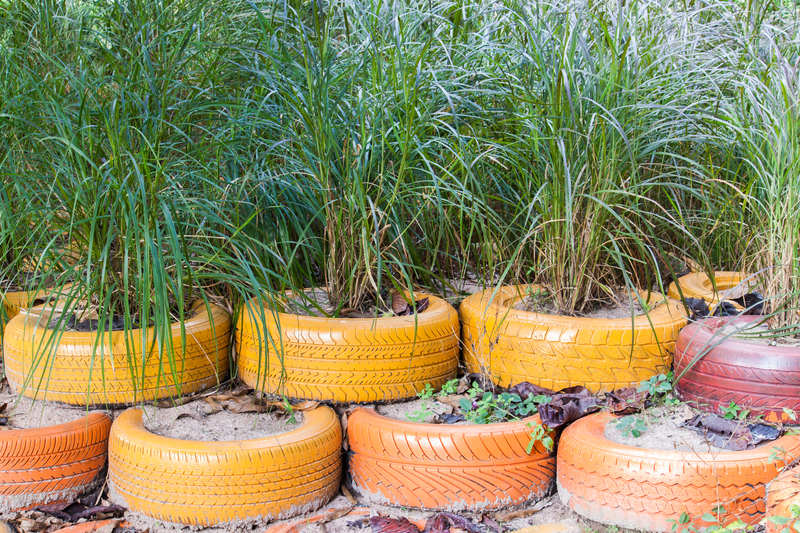
- Garden edging: Half-bury dented pans for quirky, cottage-garden borders. Not everyone's cup of tea, but fun.
One Saturday in Brighton, rain hammering the windows, a reader messaged us a photo: their ex-frying pan turned into a hanging planter, trailing ivy cascading like green confetti. Small joy, zero waste.
6) Donate or Sell (When Safe and Honest)
- Clean thoroughly: No burnt-on grease, no loose coatings. Make it easy for the next owner.
- Be transparent: Note scratches, dings, or minor warps in your listing. Honesty avoids returns and frustration.
- Price realistically: Bundles of mixed pans often move faster than single items.
- Consider students and new households: September is peak moving season--demand spikes. You'll see.
7) Last Resort: General Waste
If you've exhausted reuse and recycling options, only then use residual waste. But please, before you do, take a breath and check your local HWRC or a scrap yard. Nine times out of ten, there's a better path.
Expert Tips
- De-handle for easier recycling: Removing plastic handles from non-stick pans can help your council or scrap yard accept them more readily.
- Batch it: Gather a small haul before going to the HWRC or metal merchant. Saves time, fuel, and admin.
- Know your metal: Copper and high-grade stainless can be worth more at scrap. Keep them separate.
- Check glass lids: Tempered glass isn't the same as bottle glass; many kerbside schemes won't take it. HWRCs often do, in the correct container.
- Cast iron is almost immortal: Unless it's cracked through, it can be revived. Don't toss it lightly.
- Non-stick nuance: Modern PTFE coatings are PFOA-free. If flaking, retire the pan for cooking, then repurpose or recycle appropriately.
- Safety first: When drilling drainage holes for planters, clamp the pan and wear eye protection. It's louder than you expect.
- Keep proof: If you use a waste carrier, ask for their waste carrier number (Environment Agency register) and a transfer note. It protects you.
Small aside: don't overthink it. One or two decisions done well beat a dozen "maybes."
Common Mistakes to Avoid
- Throwing pans in bottle banks: Glass lids aren't bottle glass; pans are metals. Wrong bin = contamination.
- Tossing copper or stainless into general waste: That's value--and easy recycling--lost forever.
- Assuming all councils are the same: Kerbside rules vary. Always check your postcode guidance.
- Donating unsafe items: Deeply scratched non-stick or loose handles aren't a gift--they're a hazard.
- DIY re-coating non-stick: Unsafe and unreliable. Use professional services only.
- Forgetting to remove handles: Mixed materials can cause rejection at recycling points. Two screws now, fewer headaches later.
We've all done the "quick bin chuck". But with cookware, the smarter options are just as quick once you know them.
Case Study or Real-World Example
Case: The North London Kitchen Clear-Out
It was raining hard outside that day--classic Camden drizzle--and a family of four finally tackled a decade of cookware creep. Here's what they had:
- 12 pieces of cookware: 3 stainless saucepans, 2 cast iron pans, 4 non-stick frying pans, 1 copper pot, 2 glass lids.
Approach:
- Sorted by material and condition; magnet test confirmed two were magnetic steel, one cast iron needed rust rehab.
- Removed plastic handles on the non-stick pans and wiped off residue.
- Donated the stainless set (good condition) to a local community cooking class.
- Revived the cast iron with a deep clean and seasoning session--smelled toasty and a bit smoky, in a good way.
- Recycled two non-stick pans (badly scratched) via HWRC metal skip--handles off, quick and easy.
- Turned one non-stick pan into a hanging planter on the small balcony--instant greenery.
- Sold the copper pot to a collector online for a modest sum.
- Took the glass lids to the HWRC glass container for non-bottle glass (per site signage).
Outcome: Zero general waste, ?18 back from the copper sale, two "new" cast iron pans reborn, and a balcony planter that--no joke--made the whole kitchen feel brighter. The family said they expected a messy day; instead, it felt like a reset.
Tools, Resources & Recommendations
These tools and UK resources will smooth the process and help you stay compliant.
Tools
- Screwdriver set (including Torx/Phillips): for handle removal.
- Magnet: quick metal ID test.
- Drill and metal bits: for planter drainage holes.
- Eye protection and gloves: safety first, especially when drilling.
- Steel wool or scouring pads: rust and grime removal.
- Food-safe stainless cleaner or baking soda paste: to refresh stainless pans being donated or sold.
UK Resources
- Recycle Now (WRAP): Postcode look-up for local council recycling rules.
- Your council's HWRC: Check accepted items, opening hours, and any booking requirements.
- Environment Agency register: Verify a waste carrier is properly licensed.
- Freecycle / Freegle: Give items directly to neighbours for reuse.
- Local Repair Cafes: Volunteers can advise on safe refurb of cast iron, handles, or minor fixes.
- Scrap metal merchants: Especially useful for copper and larger hauls of mixed metal.
- ReLondon (for Londoners): Guidance and stories on reuse and circular living.
Note: we try to keep this current, but specific programmes come and go. A quick check before you head out can save a wasted trip.
Law, Compliance or Industry Standards (UK-focused if applicable)
Staying within UK guidance is straightforward with cookware, but a few points matter.
- Waste Hierarchy (Waste (England and Wales) Regulations 2011): Prioritise prevention, then reuse, then recycling over disposal.
- Household Duty of Care (Environmental Protection Act 1990, guidance via GOV.UK): If someone takes your waste away (e.g., a "man with a van"), you must ensure they're a registered waste carrier. Ask for their registration number and keep a waste transfer note. Fly-tipping penalties can come back to householders if they didn't check.
- Scrap Metal Dealers Act 2013: Scrap metal merchants must be licensed; payments are usually by bank transfer--no cash. Bring photo ID.
- WEEE rules: Only applicable to electrical cookware (e.g., multi-cookers, electric griddles). Standard pots and pans aren't WEEE, but glass lids and mixed materials may need separate streams.
- Product safety for donations: Charities can only accept items safe for use. Deeply scratched non-stick or wobbly handles should be refurbished or recycled instead.
This isn't legal advice--just practical guidance rooted in everyday UK practice. When in doubt, check your local council or GOV.UK updates.
Checklist
- Sort by metal: steel/iron vs aluminium vs copper; set aside glass lids.
- Remove plastic/wood handles and knobs; bag the fixings.
- Decide: donate, sell, upcycle, refurbish, recycle, or as a last resort dispose.
- For donations: clean fully; ensure handles are secure; be honest about wear.
- For scrap: group metals; bring ID; know approximate weights and types.
- For HWRC: check opening hours and accepted items; plan your trip.
- For waste carriers: verify license; get a transfer note; keep records.
- For upcycling: prep tools; wear eye protection; measure twice, drill once.
- For cast iron rehab: gather steel wool, oil, and patience; season in thin layers.
- Final sweep: did you miss anything at the back of that cupboard? Happens to the best of us.
Conclusion with CTA
From metal recycling to balcony planters, from cast iron revival to charity donations, you've got options--smart ones. These innovative disposal ideas for worn-out pots and pans respect the planet, your wallet, and your time. And they're not complicated. Once you've matched the item to the right pathway, the whole process feels almost effortless. Almost.
If you want a hand--collection, sorting, or guidance--we're here. No judgement, just practical help and a friendly voice on a drizzly Tuesday morning.
Get a free quote today and see how much you can save.
Either way, take a small step today. Clear the space, keep the good, do some good. You'll feel lighter when the cupboard door shuts without a rattle.
FAQ
Can non-stick pans be recycled in the UK?
Often, yes--especially through HWRC metal skips or scrap merchants if you remove plastic handles. Policies vary by council, so check locally. If the coating is flaking, don't donate for cooking; recycle or repurpose instead.
Should I remove handles before recycling?
It helps. Unscrew plastic or wooden handles and knobs so the pan is primarily metal. This reduces contamination and improves acceptance at recycling facilities.
Are scratched non-stick pans unsafe?
Deep scratches or flaking mean it's time to retire the pan for cooking. Modern PTFE coatings are PFOA-free, but a deteriorated surface can trap food and overheat unevenly. Repurpose or recycle rather than keep using for food.
Can I put pots and pans in kerbside recycling?
Sometimes. A few UK councils accept small metal items at kerbside, but many don't. Use "Recycle Now" or your council's website to confirm. HWRCs usually accept them in metal skips.
Are glass lids recyclable with bottle glass?
Usually no. Tempered glass (like cookware lids) has different melting properties to bottle glass and can contaminate loads. Take them to your HWRC's appropriate glass container if accepted.
What's the best way to restore cast iron?
Scrub off rust (steel wool, vinegar soak, or a lye bath for heavy build-up), dry thoroughly, then season with thin layers of oil in a hot oven. Repeat until the surface is smooth and black. It's a weekend project--and worth it.
Can I make money from old pans?
Yes, sometimes. Copper and high-grade stainless can fetch scrap value. Usable sets can sell or be donated. Manage expectations--think modest returns, but every bit helps.
Are there brand trade-in or take-back programmes?
Occasionally. Some cookware brands or retailers run trade-in events or partner with recyclers. Availability changes, so a quick search before you buy new can uncover a deal.
Is it legal to hire someone to take my old cookware away?
Yes, but ensure they're a registered waste carrier. Ask for their registration number and keep a transfer receipt. This protects you under the UK Duty of Care rules.
What should I do with copper pans that have worn tin linings?
Consider professional re-tinning if you want to keep cooking with them; otherwise, sell as collectible or recycle as copper. Don't cook on badly worn tin.
Do charity shops accept pots and pans?
Many do--if clean, safe, and in good condition. Deeply scratched non-stick or loose handles won't be accepted. Call ahead; saves time.
Can I upcycle non-stick pans safely?
Yes--for non-food uses. Planters, clocks, wall art, or garage drip trays are great ideas. Avoid sanding the coating; just repurpose as-is or recycle if not needed.
What about pressure cookers or multi-cookers?
Electric pressure cookers are WEEE (electrical) and must be recycled accordingly. Manual pressure cookers are primarily metal; ensure seals are removed and recycle the metal body at HWRCs or scrap merchants.
Do I need to clean pans before recycling?
A quick wipe or rinse is respectful and helpful, but spotless isn't required. Remove heavy residue and non-metal parts to streamline processing.
How do I know if a pan is aluminium or steel?
Use a magnet: if it sticks, it's likely steel or iron. If it doesn't, it may be aluminium or copper. Also check weight (aluminium is lighter) and any stamps on the base.
What's the most eco-friendly option overall?
Follow the Waste Hierarchy: first reuse (donate or refurbish), then recycle. Disposal into general waste should be the last resort. Simple, powerful, effective.
One last thought. You don't have to do it all at once. Start with one pan, one small win. The rest, strangely, starts to take care of itself.