Garden Clearance in Stratford
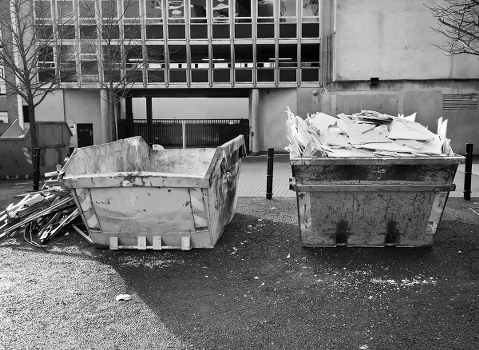
Garden Clearance Stratford provides a straightforward way to clear overgrown plots, remove outdoor waste and restore usable space without the hassle of doing every stage yourself. Our service covers typical garden clearance work such as bramble cutting, leaf and green waste removal, shrub and hedge cut-back, and the collection of awkward materials left behind after seasonal work. It is aimed at customers who want a tidy, workable result and a clear plan for what happens to the waste.
We handle a range of outdoor clearance tasks rather than treating every garden the same. Some jobs are about bringing order to a neglected area; others are about taking away piles of cuttings, broken items and mixed debris after pruning or landscaping. If you need a garden clearance service that focuses on practical removal and sensible sorting, the work can be shaped around the size of the area, the type of waste and how accessible the garden is.
For clearer jobs and quicker pricing, it helps to note what needs removing, whether there are heavy items as well as green waste, and if access is through the house, side return or rear gate. Our aim is to keep the process simple: assess the clearance, remove what is agreed, and leave the area swept through as far as the work allows. If you are comparing options, use the sections below to see how different types of outdoor clearance are usually handled.
What a Garden Clearance Can Include
A garden clearance often combines several tasks in one visit. That may mean collecting bagged waste, lifting loose cuttings, cutting back growth that has spread over paths or fences, and clearing items that have been left outdoors for too long. The job can also include separating material that is suitable for recycling from general rubbish where the load contains a mix of waste types. The main aim is to leave the space ready for its next use rather than simply moving clutter from one corner to another.
Some customers want a full tidy-up after a period of neglect, while others only need a specific section cleared so that gardening or maintenance can continue. In those cases, the work may focus on a border, shed side, patio or rear strip rather than the entire plot. If you want to compare the scope with a broader waste removal service, the difference is that garden clearance is usually centred on outdoor growth, weathered materials and space that has become hard to manage.
Because outdoor jobs vary so much, it is useful to think in terms of outcomes rather than just the items themselves. A boundary line may need exposure again, a path may need reopening, or a stored area may need to be made safe to access. Clear instructions about what stays and what goes help the work move efficiently, and they also make it easier to size the job accurately before it begins.
Overgrown Areas, Shrub Cut-Back and Green Waste

When a garden has become overgrown, the first stage is often to reduce the mass of growth enough to see the structure beneath it. That may involve cutting back dense brambles, removing self-seeded plants, shortening long grass, and dealing with branches that overhang fences or paths. The aim is not to replace proper gardening care, but to create a manageable starting point for whatever work comes next. In practice, that can make a neglected space safer to move through and easier to maintain.
Green waste clearance is different from general rubbish removal because the material is usually soft, seasonal and bulky rather than rigid and broken. Leaves, clippings, twigs and cuttings can fill a space surprisingly quickly, especially after repeated pruning or storm damage. Where suitable, green waste can often be separated from mixed garden debris so that disposal follows the best available route. If the garden includes a large amount of trimmed growth, this part of the job is usually the most visible change by the time the clearance is complete.
Cut-back work is especially useful where plants have grown across access points or become entangled around fences, sheds or outbuildings. In those situations, the job is as much about restoring access as it is about removing waste. If a property also has broken outdoor items or unwanted bulky materials to go with the greenery, those can usually be considered together, provided the scope is agreed clearly before the work is carried out.
Garden Waste, Fixtures and Bulky Outdoor Items
Not all garden clearance work is green waste. Outdoor areas often contain mixed materials such as old pots, broken furniture, damaged children’s equipment, cracked planters, weathered timber, torn edging and empty storage items that are no longer wanted. A proper clearance looks at these pieces carefully, because different materials may need different handling and disposal. That is one reason why describing the load in advance is helpful: it reduces uncertainty and makes it easier to plan the right vehicle space and labour.
Where there are larger outdoor items, the work may need more than a simple sweep and bag collection. Heavy pieces can require careful lifting, dismantling or staging before removal so that walls, paving and planted areas are not damaged. This is particularly relevant when a garden contains a mix of light waste and heavier fixtures. For customers with items that are mainly domestic rather than organic, a related home clearance page may also be useful for understanding how mixed household loads are organised.
Useful things to identify before a quotation:
- How much of the load is cuttings, and how much is bulky material.
- Whether items are loose, bagged or stacked.
- If any pieces need dismantling before removal.
- Whether access is straightforward or through a narrow route.
Working Around Access, Boundaries and Tight Routes
Access is one of the main factors that affects how a garden clearance is completed. A clear side gate, open driveway or direct rear entrance can make the work simpler, while a narrow passage, steep steps or shared route may take more time and care. The same applies when waste has to be moved through a house or around delicate planting, because the route needs to be planned so that removal does not create avoidable mess. This is a practical matter rather than a dramatic one, but it often shapes the method used.
Boundaries and structures also matter. Trellis, fencing, greenhouses, sheds and retaining walls can all be close to the area being cleared, so the work needs enough space to lift waste safely. If growth has climbed into these features, extra time may be needed to loosen it without causing damage. Where a clearance is part of a wider tidy-up before repairs or replanting, careful removal can help protect what remains and make the next stage more manageable.
For some properties, access questions are easier to answer with a brief description and a few notes about the layout. If there are separate places where waste is stored, or if the garden is shared between household areas, saying so early helps avoid confusion. The more accurately the route is understood, the easier it is to choose the right approach for the work and to keep the process efficient.
Sorting, Recycling and Responsible Disposal

Clearance is not only about lifting waste away from the garden; it is also about deciding what can be sorted sensibly once it has been collected. Outdoor jobs can include a mixture of green waste, timber, plastics, metal, soil-contaminated material and general rubbish. Sorting these streams carefully is part of making the work responsible as well as practical, because different materials have different routes once they leave the property. That approach is especially useful when the load is varied rather than neatly separated.
Recycling opportunities depend on the material type and condition. Clean green waste can often follow one path, while mixed or contaminated items may need another. Broken garden structures may be suitable for disassembly, and some timber or metal components may be separated if the load allows it. A good clearance keeps this judgment focused on the actual contents instead of using one blanket method for every job. If sustainability matters to you, a linked recycling and sustainability page can provide further detail on the company’s broader approach to waste handling.
One practical benefit of sorting is that it can make the end of the job easier to understand. Instead of leaving a single mixed pile for someone else to work through, the waste is removed with an eye on type and destination. That does not change the need for proper disposal, but it does support a tidier and more accountable process overall.
When Garden Clearance Is Part of a Larger Project
Garden clearance is often the first stage of a larger improvement project. A customer may want an area cleared before turfing, planting, fencing, patio repair or shed replacement, and in those cases the work has to be timed so that the next contractor can begin without delay. Clearing away old growth and debris can reveal the true condition of the ground, which makes it easier to plan the follow-on work accurately. It can also remove obstacles that would otherwise slow down preparation.
Some properties need more than one type of clearance in sequence. A garage, loft or side storage area may contain outdoor tools and materials that belong with the garden rather than the house itself, so it can make sense to deal with those spaces together where the load justifies it. For that kind of mixed project, a garage clearance can complement the outdoor work and reduce the number of separate removal stages.
When the job is linked to improvement work, a useful quotation will usually reflect the amount of waste, the access route and any time needed to sort different materials. It can also be shaped around which areas have to be left ready for the next trade. That practical focus is often more helpful than trying to define the project by a single label, because real properties rarely separate neatly into one category alone.
About Stratford
Stratford is a district in East London within the London Borough of Newham, and it has long been shaped by movement, rebuilding and large-scale change. The area lies east of the City and has grown around transport links, waterways and former industrial land. Stratford station became a major point of connection through the 19th century, and later redevelopment transformed much of the wider district. That history is still visible in the mix of older street patterns, newer public spaces and large modern developments that now sit alongside surviving civic buildings and local shopping streets. The area is also closely associated with the transformation of the Lower Lea Valley, where former industrial sites were adapted for new uses in the 21st century.
One of Stratford’s most distinctive features is the presence of Queen Elizabeth Olympic Park, created for the London 2012 Games and now part of a wider landscape of parks, routes and venues. The park includes waterways, planted areas and public paths that connect to the surrounding neighbourhoods. Stratford’s transport identity is reinforced by its rail, Underground, DLR and Elizabeth line connections, which make it one of the best-known interchange points in east London. Westfield Stratford City added a major retail and leisure centre to the district, while the older town centre remains important for everyday shopping and local services. The contrast between these layers gives Stratford a varied character rather than a single uniform centre, with heritage, infrastructure and new development all visible within the same broad area.
Household Clearances and Mixed Outdoor Waste

Sometimes a garden clearance is tied to a wider household clearance because the unwanted items have spread between indoor and outdoor spaces. Old storage boxes, broken tools, worn furniture and general clutter may end up in the same project as hedge cuttings and patio waste. In that situation, the best approach is to separate what belongs outdoors from what belongs to the house, then decide how the load should be grouped for removal. That can make the job more efficient and can also improve the final sort.
A mixed job may include heavier objects that have been stored outside for a long time and are now damp, dirty or awkward to handle. These pieces can take more effort than they first appear to need, especially if they have been left leaning against walls or stacked in a cramped corner. A careful clearance treats such items as part of the overall plan, not as an afterthought. Where indoor and outdoor items are both involved, a linked house clearance page can be useful for customers wanting to understand broader domestic removal options.
The key decision is whether the work should focus strictly on the garden or should include nearby domestic clutter too. Once that line is clear, it becomes much easier to estimate time and labour. Customers do not need to prepare everything perfectly; they simply need to be clear about what they want gone and what should remain. That is often enough to create a workable quote and a smooth collection plan.
Getting a Clear Quote for the Work
Quotations for garden clearance are usually easier to prepare when the job is described in practical terms. The most useful details are the approximate amount of waste, the main material types, how easy the garden is to reach and whether any lifting, cutting or dismantling is needed before removal. Photos can be helpful where the area is crowded or the waste is spread across several spots, but a clear written description is just as important. A precise brief avoids confusion and helps align expectations about the scope.
It is also useful to say whether the work is a one-off tidy, a neglected plot clearance or part of a staged project. Those situations can look similar from a distance, but they are not always priced in the same way because the effort, sorting and loading requirements may differ. If you are ready to move forward, pricing and quotes is the place to begin the next step. Ask for a quotation once you know the main items and access details.
For a smooth request, keep the description honest and specific: what needs removing, what should stay, and whether anything is unusually heavy or awkward. That gives the clearest basis for an accurate response. If you prefer to discuss the job first, a short message is enough to start the conversation, and it can then be refined into a more precise quotation once the scope is understood.
Choosing the Right Level of Clearance
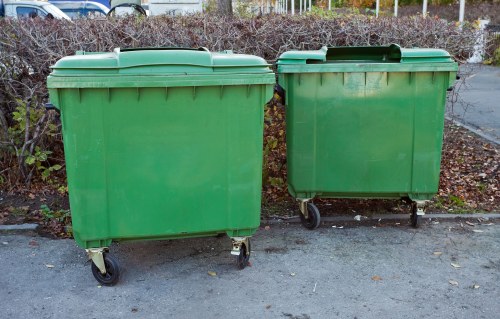
Not every garden needs a full clearance, and not every customer wants everything removed at once. In some cases, the best option is a partial service that targets the worst areas first: perhaps a rear corner, a path blocked by cuttings, or a section where old materials have collected over time. In others, a complete clear-out is more sensible because the space needs a clean start. The right level depends on how the area is used, how much material is present and what outcome matters most.
A partial clearance can be a sensible choice where the garden still has usable structure but just needs problem areas dealt with. A full clearance may suit spaces that have become difficult to walk through, inaccessible for maintenance or too cluttered to support any new work. If the work also involves furniture or household pieces, a dedicated furniture clearance page may be relevant for bulky items that sit alongside garden waste. Either way, the point is to match the scope to the actual condition of the space.
When you are weighing up the options, think about the result you want at the end rather than the pile itself. A clearer path, a safer border, a usable shed side or a garden ready for follow-on work are all valid outcomes. If that is the kind of result you need, the next step is simple: tell us what needs clearing and request a quotation.