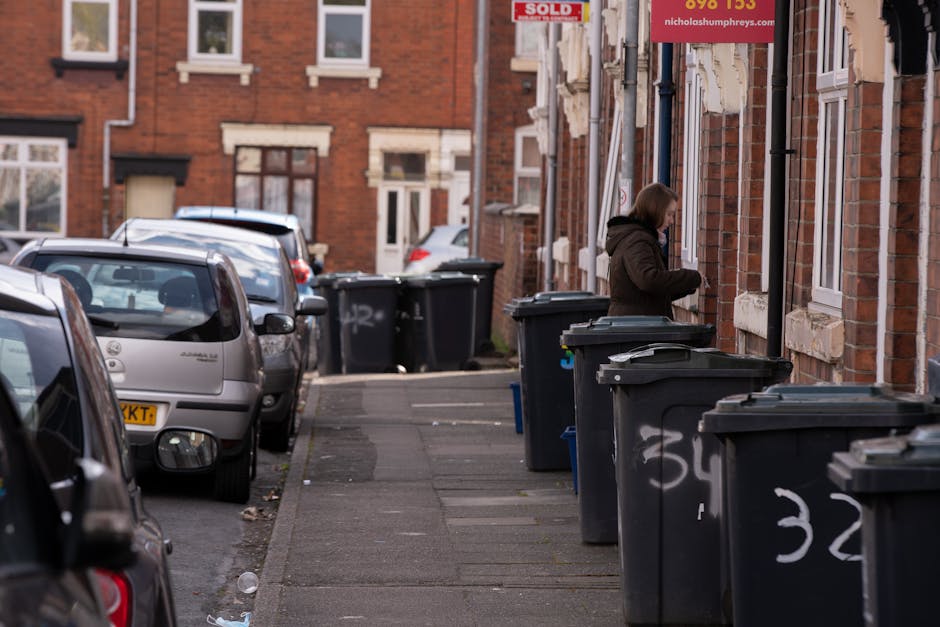
Stratford Broadway flat rubbish collection local guide
If you live in or around Stratford Broadway, rubbish can build up faster than you expect. A hallway starts filling with old boxes, a broken chair waits in the corner, and suddenly the flat feels smaller than it did last week. This Stratford Broadway flat rubbish collection local guide is here to make the whole process feel calmer, clearer, and much less of a faff.
Whether you are clearing after a move, dealing with end-of-tenancy clutter, or simply trying to reclaim a spare room, the key is knowing what to remove, how to prepare it, and which options make sense in a flat setting. You will find practical steps, local considerations, common mistakes, and a few honest tips that save time and hassle. Truth be told, the small details matter more than people think.
Expert summary: Flat rubbish collection works best when you plan access, sort items properly, and choose a removal method that matches the size of the job. In a busy area like Stratford Broadway, speed is useful, but organisation is what stops a simple clearance turning into a stressful day.
Table of Contents
- Why Stratford Broadway flat rubbish collection local guide Matters
- How Stratford Broadway flat rubbish collection local guide Works
- Key Benefits and Practical Advantages
- Who This Is For and When It Makes Sense
- Step-by-Step Guidance
- Expert Tips for Better Results
- Common Mistakes to Avoid
- Tools, Resources and Recommendations
- Law, Compliance, Standards, or Best Practice
- Options, Methods, or Comparison Table
- Case Study or Real-World Example
- Practical Checklist
- Conclusion
- Frequently Asked Questions
Why Stratford Broadway flat rubbish collection local guide Matters
Flat rubbish collection in Stratford Broadway is not the same as clearing a house with a drive or a front garden. Access is tighter. Lifts may be small. Stairwells can be awkward. Neighbours are close by, and timing often matters because there is less room to leave things sitting around. That is why a local guide helps: it turns a vague job into a manageable plan.
In a flat, even modest amounts of waste can create practical problems very quickly. Cardboard piles up after deliveries, old furniture gets in the way of everyday life, and mixed rubbish can become hard to sort at the last minute. If you are trying to work around shift patterns, family routines, or a moving date, you will notice how much smoother things go when the collection is properly organised.
There is also the trust side of it. A reputable collection service should handle items carefully, protect communal areas, and remove waste in a way that supports recycling where possible. For many people, that is just as important as getting the clutter gone. Nobody wants a chipped wall in the stairwell or a lift left muddy at the end of the job.
If your flat clearance is part of a bigger change, it can help to look at related services too. For example, a full property tidy-up may involve flat clearance, while larger household jobs might overlap with home clearance or house clearance. The point is not to overcomplicate it. It is to match the service to the mess, basically.
How Stratford Broadway flat rubbish collection local guide Works
At a practical level, flat rubbish collection usually starts with a quick review of what needs to go. That may happen by message, phone, or a site visit depending on the job size. The aim is to understand volume, item type, access, and any special handling requirements. A single sofa is very different from a two-bedroom flat full of mixed waste, after all.
Once the job is assessed, the collection team plans the right approach. In Stratford Broadway, that often means thinking about parking, lift access, stair carry distances, and whether the items can be removed safely without disrupting neighbours. Good planning is not glamorous, but it saves time and avoids the awkward moments people remember. You know the ones: a sofa that will not clear the landing, or a bin bag that splits halfway down the stairs.
Collection itself usually involves sorting items into suitable categories: general rubbish, furniture, reusable items, recyclable materials, and any waste that needs separate handling. If you are disposing of bulky furniture, you may also want to review furniture disposal or furniture clearance depending on whether the job is disposal-only or part of a wider clearance.
After removal, responsible providers should aim to divert as much material as possible from landfill through reuse and recycling routes. That does not mean everything can be saved, of course. Some items are simply worn out. But even then, a careful collection process can keep the job tidy, traceable, and easier on the environment. More on that later.
Key Benefits and Practical Advantages
The biggest benefit is obvious: you get your space back. But the real value goes beyond that. In a flat, where each room tends to earn its keep, clearing rubbish can change how the place feels and functions. A cluttered living room becomes usable again. A spare bedroom stops being storage. The front hall opens up. Small wins, yes, but they count.
Here are the main advantages people usually care about:
- Less stress: One organised collection is easier than multiple trips to a bin store or recycling point.
- Better use of space: Flats feel bigger when clutter is removed properly.
- Safer movement: Fewer boxes and bulky items reduce trip hazards.
- Cleaner shared areas: Quick, managed removal helps protect hallways, lifts, and entrances.
- More suitable for bulky waste: Furniture, appliances, and mixed household rubbish are often awkward to move without help.
- Improved recycling outcomes: A proper sort makes it easier to keep reusable or recyclable items apart.
If you are comparing services, it may also help to explore broader waste removal options or, for landlords and managing agents, business waste removal where the waste is tied to an operational property rather than a personal household job.
One quiet advantage that people often miss is timing. A professional collection can be arranged around your day instead of making you wait for council-style collection windows or borrow a car late at night. That flexibility is a relief when you are juggling work, children, or a move-out deadline.
Who This Is For and When It Makes Sense
This type of local guide is useful for a wide range of people. It is not just for tenants leaving a flat, although that is a common reason. You may find it helpful if you are:
- moving out and need a final clear-down
- moving in and want to remove leftover waste from previous occupants
- refreshing a rented flat between tenancies
- dealing with bulky old furniture in a small property
- clearing after a renovation or small repair project
- helping a relative downsize
- managing an estate, leasehold property, or shared building
It also makes sense when rubbish is starting to affect normal life. If you are stepping around bags in the kitchen or stacking broken items on the balcony, the job has probably gone beyond "I'll deal with that next weekend." Let's face it, next weekend has a habit of disappearing.
Sometimes the task is not even huge. Maybe it is just a mattress, two chairs, and a pile of packaging. But if the items are bulky, awkward, or difficult to move safely through the building, getting support is still worth it. The size of the pile is only part of the story. Access matters just as much.
Step-by-Step Guidance
If you want a smoother collection, a simple process helps. You do not need a spreadsheet and a headset. Just a bit of order.
- Walk through the flat room by room. Make a list of what needs to go, including bulky items, loose waste, and anything recyclable.
- Separate keep, donate, recycle, and dispose. This prevents last-minute confusion and avoids paying to remove things you could still use elsewhere.
- Measure large items. Sofas, wardrobes, and beds can be awkward in narrow stairwells or small lifts. A rough measurement helps a lot.
- Check access points. Note lift size, stair turns, parking limits, and any building rules about collection times.
- Bag or bundle smaller waste. Loose rubbish slows the process down and makes the flat harder to navigate.
- Remove personal items first. Papers, keys, chargers, and keepsakes have a funny way of hiding in plain sight.
- Confirm what can and cannot be taken. Some waste types need separate handling, so it is best to be clear upfront.
- Arrange the collection window. Choose a time when you can be present or when access can be clearly managed.
- Clear a route to the door. This saves time and reduces the chance of scuffs or knocks.
- Do a final check before the team arrives. One last look often catches items you forgot about.
A small practical point: if you live in a building with shared entrances, try to avoid leaving items in common areas for long periods. Even for a short while, they can block access or attract complaints. Quick removal is kinder to everyone involved.
Expert Tips for Better Results
The difference between a decent collection and a very smooth one is usually made before anyone lifts a thing. In our experience, the best jobs are the boring ones. Everything is ready, access is clear, and there are no surprises lurking behind the wardrobe.
- Photograph the load in advance. It helps with planning and avoids misunderstandings about volume.
- Keep recycling separate where practical. Cardboard, clean metal, and reusable items are easier to process when they are not mixed with general waste.
- Book around building activity. Mornings can be quieter than late afternoons in some blocks, but every building is different.
- Protect floors and corners. Even a folded blanket or cardboard sheet can help on tight turns.
- Think about the end result. If the flat is going on the market, a very clean finish matters more than just removing the obvious rubbish.
Another useful tip is to keep an eye on furniture condition. If an item is still usable, it may be suitable for reuse rather than disposal. That is where a service such as furniture clearance can be especially helpful because it supports a more efficient sort of removal. Not every provider works the same way, so ask how items are handled before the job starts.
And yes, it is worth checking whether a collection company has clear policies around safety and insurance. A stairwell is not the place for guesswork. If you want reassurance on that side, the page on insurance and safety is a sensible place to look.
Common Mistakes to Avoid
Most problems in flat rubbish collection come from rushing. People underestimate the access, leave sorting until the last minute, or forget about items that need separate handling. It happens all the time.
- Leaving bulky items until collection day. That is when stairways, doors, and lifts become the main drama.
- Mixing everything together. A mixed pile is slower to remove and harder to process responsibly.
- Ignoring building rules. Some flats have limited loading spaces or strict quiet hours.
- Underestimating how heavy things are. A small wardrobe can feel twice as heavy on the third floor.
- Forgetting about hidden waste. Drawers, cupboards, and balcony corners often hold more than people expect.
- Choosing only on price. Cheap is not always cheerful if the job is incomplete or poorly handled.
One small but common mistake is leaving the route blocked while "just sorting the last few bits." That sounds harmless, but it slows everything down. Better to clear the route first, then finalise the sort. It is a tiny shift, but it changes the whole feel of the day.
If the rubbish is linked to repairs or refurbishment, you may also need builders waste clearance. That is a different kind of job from household rubbish, and mixing the two can lead to poor planning.
Tools, Resources and Recommendations
You do not need specialist equipment for most flat rubbish collections, but a few basic items make the job easier:
- strong bin bags or rubble sacks for loose waste
- packing tape for bundling cardboard
- gloves for handling dusty or rough items
- a tape measure for bulky furniture
- a marker pen for labelling what stays and what goes
- old sheets or cardboard to protect floors and walls during removal
For planning and budgeting, it can help to review pricing and quotes before you book. That gives you a clearer idea of how the job is likely to be assessed, especially if you have a mix of furniture, bags, and awkward bulky items.
If sustainability matters to you, take a look at the company's recycling and sustainability approach. It is a useful signal of how waste may be sorted, reused, or diverted from landfill where possible. Not every item has a second life, but many do.
For readers who want to understand the team behind the service, the about us page can give a bit more background. It is a simple thing, but knowing who is coming into your home helps people feel more comfortable.
Law, Compliance, Standards, or Best Practice
With rubbish collection, the safest approach is to follow normal UK waste-handling best practice and use a provider that acts responsibly. You do not need to be a legal expert to make sensible choices, but it helps to know the basics.
First, waste should not be dumped in communal spaces, left blocking exits, or placed where it creates a fire or trip hazard. That sounds obvious, but in flats, the pressure of limited space sometimes tempts people to "park" things in a corridor for later. Best not to do that.
Second, certain items may need special handling depending on what they are and how they are made. Electrical items, mattresses, and mixed waste can each require different treatment. A good collection service should explain what happens next in plain English. No waffle, no mystique.
Third, ask how the provider deals with insurance, access, and safe lifting. That matters especially in stair-only buildings or older blocks with narrow landings. A careful approach protects both the property and the people working in it.
If you want to see how a company handles complaints, data, payments, and standards, those policy pages can be genuinely useful, not just legal wallpaper. The most relevant ones here are complaints procedure, payment and security, terms and conditions, and privacy policy.
Best practice is simple: keep the flat accessible, keep the waste sorted where possible, and use a service that handles the job cleanly and transparently. That is the standard worth aiming for.
Options, Methods, or Comparison Table
There are a few ways to deal with flat rubbish in Stratford Broadway. The right option depends on volume, access, time pressure, and how much sorting you want to do yourself. Here is a straightforward comparison.
| Method | Best for | Pros | Watch-outs |
|---|---|---|---|
| Self-removal | Very small amounts of waste | Cheap if you already have transport | Time-consuming, awkward with bulky items, multiple trips |
| Scheduled flat clearance | Full or partial flat clear-outs | Convenient, organised, better for mixed waste | Needs planning and access preparation |
| Furniture-only removal | Sofas, beds, wardrobes, white goods | Good for bulky single items or a few large pieces | Not ideal if you also have bags and mixed rubbish |
| Combined waste collection | Jobs with both furniture and general rubbish | Efficient for one-off clearances | Needs accurate item list to plan properly |
If your flat also includes storage areas, a loft hatch, or a neglected corner of the building, you may end up needing wider support such as loft clearance or garage clearance. That is less common in flats than houses, but it does come up in maisonettes and mixed-use buildings.
Case Study or Real-World Example
Here is a realistic example. A tenant in a Stratford Broadway flat was preparing to move out on a Friday afternoon. The place was tidy enough overall, but the balcony had old packaging, the living room had a broken table, and there were several bags of mixed household rubbish waiting in the kitchen. Nothing dramatic. Just enough to cause stress, especially with keys due back the same day.
The first step was a quick sort. Reusable kitchen bits were separated, cardboard was bundled, and the damaged furniture was moved nearer the entrance. The collection was timed for a quieter window so the lift would be available. That small decision made a big difference. No one wants to be waiting in the hall with a sofa while neighbours are trying to get to work.
What mattered most was not the size of the load, but the preparation. The flat was cleared in one visit, the communal areas stayed tidy, and the tenant avoided a last-minute scramble. A boring success, perhaps. But those are the best kind.
In a slightly different scenario, a landlord might use the same process between tenancies, but with extra focus on speed and consistency. In that case, a full home clearance style approach can sometimes be more appropriate than a narrow one-item collection.
Practical Checklist
Use this before your collection day. Simple, but effective.
- List every item to be removed
- Separate keep, donate, recycle, and dispose
- Measure large items and check access routes
- Confirm lift use, stair access, and parking arrangements
- Bag small waste securely
- Remove personal belongings from drawers and cupboards
- Protect floors and corners if needed
- Check whether any items need special handling
- Review pricing, payment, and service terms in advance
- Keep communal areas clear before and during the collection
If you have a tricky mix of items, take a breath and deal with it in stages. That is often easier than trying to sort the whole flat in one frantic hour.
Conclusion
Stratford Broadway flat rubbish collection becomes much easier when you treat it as a small project rather than a rushed chore. The best results come from clear sorting, sensible timing, and a service that understands flat access, bulky items, and shared-building realities. That is the real value of a local guide like this one: it helps you avoid surprises and make better decisions.
Whether you are clearing one room or an entire flat, the main goal is the same: get the space back without turning the day into chaos. And honestly, that is a very fair goal.
Get a free quote today and see how much you can save.
If you want to take the next step with confidence, start by checking the service details, your access arrangements, and what needs removing. A calm, organised approach really does make the difference. One good clear-out, and the flat feels lighter straight away.
Frequently Asked Questions
What is the best way to handle flat rubbish collection in Stratford Broadway?
The best approach is to sort items first, check access routes, and choose a collection method that suits the volume of waste. If you have bulky furniture or mixed rubbish, a planned collection is usually far easier than trying to move everything yourself.
Can I book flat rubbish collection for just one or two items?
Yes, many people do. A single sofa, mattress, or wardrobe can still be worth collecting professionally if it is awkward to move, too large for your vehicle, or difficult to take through shared areas.
How do I prepare my flat before rubbish collection?
Remove personal items, separate keep/recycle/dispose piles, clear a route to the door, and check any building rules about access. A little prep saves a lot of time on the day.
Is flat rubbish collection better than taking waste to a recycling point myself?
It depends on the job. For a few small bags, DIY can work. For bulky furniture, mixed waste, or time-sensitive clearances, a collection service is usually more practical and less stressful.
What happens to items after they are collected?
That depends on the item and the provider's process. Reusable items may be separated, recyclable materials sorted, and the rest handled through the appropriate waste route. It is sensible to ask how your waste will be processed.
Do I need to be present during the collection?
It is usually best to be available, especially if access needs to be explained or if there are items that should not be removed. For some straightforward jobs, arrangements can sometimes be made in advance, but clarity is key.
What if my flat has narrow stairs or a small lift?
That is very common in flat collections, and it is exactly why planning matters. Measure larger items where possible and mention access issues early so the team can prepare properly.
Can flat rubbish collection include old furniture as well as bags of waste?
Yes, and that is often the most practical setup. A combined collection can handle both bulky furniture and smaller household rubbish, provided the items are described accurately in advance.
How do I know if I should choose flat clearance or furniture disposal?
If the job is mainly about furniture, furniture disposal or furniture disposal may be enough. If you also have mixed rubbish, clothing, boxes, and general clutter, flat clearance is usually the better fit.
Are there any safety issues I should think about?
Yes. In flats, safety is mainly about safe lifting, clear walkways, protecting communal areas, and avoiding blocked exits. If a job involves heavy or awkward items, it is wise to use a service that works carefully and carries appropriate insurance.
What should I ask before booking a collection?
Ask what items are accepted, how access is handled, whether recycling is part of the process, what the pricing covers, and whether there are any restrictions on certain waste types. A good provider will answer plainly.
Can flat rubbish collection help before the end of a tenancy?
Absolutely. In fact, that is one of the most common reasons people book it. A final clear-out can help you hand back the flat in a cleaner, more organised state and avoid that awful last-minute scramble.
For more details about the company behind these services, you can also review the contact us page or read the available policy pages if you want to check service expectations in advance. Small thing, but it helps people feel more settled before booking.